Live projects for policymakers promise to be the most exciting component of the Policy in Action Program. For this edition of the program, fellows supported the work of the following policymakers:
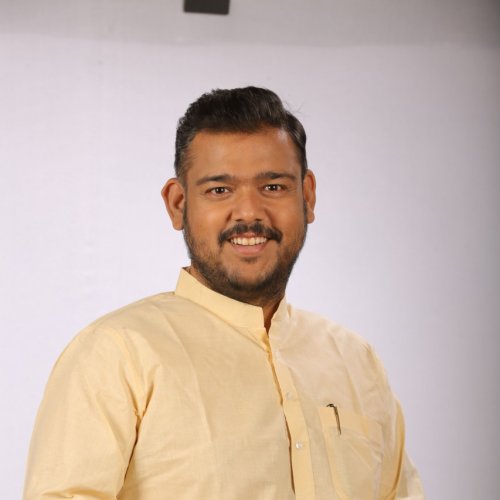
Mr. Vishal Patil is a Member of Lok Sabha representing Sangli since 2024. He was previously a member of the Indian National Congress, but was elected as an independent candidate in this election.
He has an undergraduate degree in commerce from the H. R. College of Commerce and Economics, Mumbai. In Parliament, he has been passionately espousing the cause of his home state and constituency, especially with regard to agriculture, health, education and infrastructure development, including railways and ports.
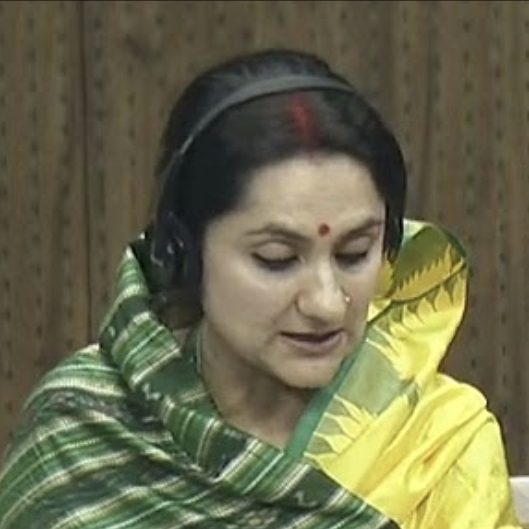
Ms. Malvika Devi is the Member of Parliament from the Kalahandi constituency in Odisha, representing the Bharatiya Janata Party (BJP).
She serves as a member of the Standing Committee on Consumer Affairs, Food and Public Distribution. Ms. Devi holds a B.A. (Hons.) in Psychology from the Jesus and Mary College, University of Delhi, and a Postgraduate Diploma in Business Management from the Fortune Institute of International Business, New Delhi. Her focus in Parliament includes regional development, education, and environmental conservation in western Odisha.

Mr. Pradyut Bordoloi is a politician from the state of Assam, and currently serves as a Member of Parliament for the Nowgong Lok Sabha constituency. He is a member of the Indian National Congress party.
Previously, he was a member of the Assam Legislative Assembly from Margherita and became a cabinet minister in the Tarun Gogoi led government. He was elected to the State Assembly from Margherita four times and during his student days, he was the President of National Students’ Union of India in Assam.
He has an MA from Cotton College, Gauhati University, an M.Phil. from JNU, and a PGDM (M) from the Delhi Institute of Management.
An author, politician, and former international civil servant, Dr. Shashi Tharoor straddles several worlds of experience. Currently a Lok Sabha MP representing the Thiruvananthapuram constituency, he has previously served as Minister of State for Human Resource Development and Minister of State for External Affairs in the Government of India. During his nearly three-decade long prior career at the United Nations, he served as a peacekeeper, refugee worker, and administrator at the highest levels, serving as Under-Secretary General during Kofi Annan's leadership of the organisation. Dr. Tharoor is also an award-winning author of works of both fiction as well as non-fiction.
Born in London in 1956, Dr. Tharoor was educated in India and the United States, completing a PhD in 1978 at the Fletcher School of Law and Diplomacy. While there, he received the Robert B. Stewart Prize for Best Student and also helped found and served as the first Editor of the Fletcher Forum of International Affairs, a journal now in its 39th year. Dr. Tharoor is a recipient of several awards that include a Commonwealth Writers Prize and the Pravasi Bharatiya Samman, India's highest honour for overseas nationals.
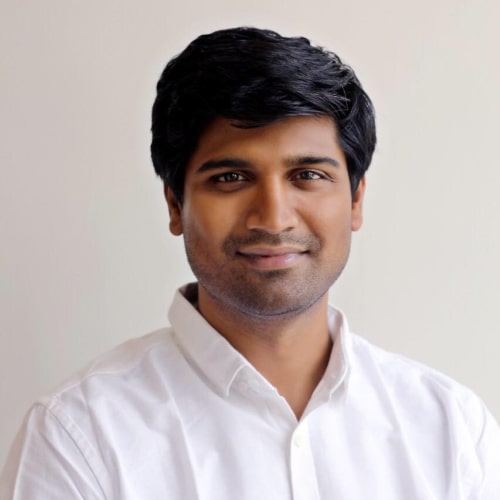
Lavu Sri Krishna Devarayalu is a Member of Parliament from the Narasaraopet constituency in Andhra Pradesh. He represents the Telugu Desam Party (TDP) which he joined in 2024.
Currently, he serves as a member of the Finance Committee, the Joint Committee on The Waqf (Amendment) Bill, 2024, the Consultative Committee for the Ministry of Home Affairs, and the Business Advisory Committee in Parliament. He completed his Graduation B.Tech from Andhra University, Visakhapatnam and studied Media studies at La Trobe University, Australia, and the University of California, Santa Barbara. He also serves as the Vice Chairman of Vignan University in Andhra Pradesh.
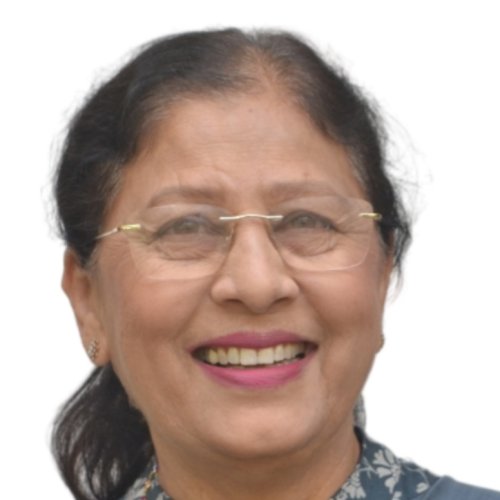
Dr. Fauzia Khan is an MP in the Rajya Sabha, representing the Nationalist Congress Party – Sharadchandra Pawar (NCP-SP), and serves as the National President of its Women’s Wing. In June 2024, she was renominated to the Panel of Vice-Chairpersons in the Rajya Sabha.
Dr. Khan has a rich political background spanning over two decades. She has also been a two-time M.L.C., i.e., a member of the Legislative Council, the upper house of the Maharashtra Legislature. As the first Muslim woman in the state to serve as a minister in Maharashtra, she served as Minister for General Administration, Education, Health, and Women and Child Development, where she initiated several progressive reforms to improve the state’s governance and welfare system.
Live Projects
During the course of the program, teams of 4-6 fellows each are assigned to work on policy issues for the participating policymakers. You’ll find below a list of the specific issues that the teams worked on during this edition of the program.
- What are the principal climate-relevant laws currently in force in India (e.g., Environment Protection Act, Forest Act, and NAPCC-linked measures), and how do they contribute to India’s international climate commitments such as the Paris Agreement and Nationally Determined Contributions (NDCs)?
- How well are these legal instruments harmonized across sectors, and where do key implementation and jurisdictional overlaps or conflicts persist?
- Could a consolidated, overarching climate change law provide greater coherence, efficiency, and accountability in India’s climate governance? How have other countries structured integrated climate frameworks, and what insights can India adopt?
- Based on a comparative legal analysis and implementation review, what specific policy reforms should be prioritized to enhance the effectiveness, alignment, and resilience of India’s climate policy architecture?
- How are MPLADS (Members of Parliament Local Area Development Scheme) funds currently allocated and utilized across constituencies, and what challenges—such as delays in release, underutilization, or planning —affect their timely and impactful deployment?
- What trends can be observed in Corporate Social Responsibility (CSR) spending patterns under the Companies Act, and how aligned are these investments with grassroots development needs identified by local communities?
- Are MPLADS and CSR operating in parallel silos, or do they present opportunities for convergence and complementarity? What mechanisms—such as district CSR platforms, coordination dashboards, or constituency-level mapping—can enhance synergies between CSR and MPLADS?
- What legal and operational gaps exist in CSR reporting, transparency, and targeting? Would stronger disclosure norms and beneficiary tracking systems enhance accountability and impact, and should the government have a greater role in directing CSR efforts toward development goals? What risks could arise from excessive governmental steering?
- Drawing from Indian and international experiences, what actionable policy innovations can help unlock the combined potential of MPLADS and CSR for equitable and sustainable local development?
- What are the major challenges that have historically impeded successful international collaboration on climate and energy issues in South Asia? What case studies of both failure and success—such as the SAARC Energy Ring or cross-border hydropower projects—can illustrate which policy actors (executive, legislature, or multilateral institutions) played pivotal roles, and why?
- In these collaborations, what specific constraints have parliamentarians faced in exerting influence or shaping policy direction? To what extent can legislative diplomacy or parliamentary forums alter the dynamics of regional energy governance?
- Given the institutional limitations, what avenues (e.g., budget oversight, committee influence, regional dialogues) are available to Indian MPs to support and amplify effective climate and energy cooperation?
- How can India learn from regional parliamentary engagement mechanisms in the EU, ASEAN, or African Union? What adaptations are necessary for the South Asian context?
- Based on your assessment, what policy or procedural reforms—both domestic and multilateral—could strengthen the role played by India’s parliamentarians in regional climate and energy efforts?
- How has rural electrification evolved in Odisha over the past two decades, and what role have renewable sources such as hydropower and solar played in expanding access?
- What are the persistent gaps in rural energy reliability and coverage, and how do factors such as geography, monsoon variability, or grid constraints influence energy vulnerability in different districts?
- Can the integration of hydropower and solar technologies enhance supply reliability, reduce costs, and ensure energy access in remote or underserved areas?
- What are the bottlenecks that hinder the deployment of hybrid renewable energy systems, and how can Odisha’s energy sector balance the adoption of new hybrid technologies with existing infrastructure? What institutional or regulatory frameworks are needed to facilitate smooth integration without disrupting established processes?
- Drawing from national and global examples, suggest policy frameworks, financing models, and institutional innovations to achieve universal, sustainable rural electrification in Odisha.
- Trace the origins and evolution of both the Vibrant Villages Programme (VVP) and the Border Area Development Programme (BADP). What were the original objectives and how have these shifted over time in response to changing strategic, socio-economic, and geopolitical needs?
- What are the core objectives, target areas, and design features of the VVP and BADP? In what ways do their mandates, funding mechanisms, and implementation strategies differ or overlap?
- Study existing literature and consult stakeholders to assess the effectiveness of both programmes in achieving their stated goals. What measurable outcomes have been recorded in terms of infrastructure, livelihood generation, social inclusion, and migration trends?
- Based on your analysis, what reforms or policy changes could improve the effectiveness, coordination, and inclusivity of border area development initiatives, and what lessons can be drawn from other countries’ border development programmes to inform future strategies for India?
- How have the recent amendments to the Wildlife Protection Act, 1972, reshaped the legal framework governing the trade and transport of scheduled species? Do these changes align with India’s commitments under global treaties such as CITES, or do they introduce tensions between domestic flexibility and international obligations?
- What are the potential ecological and conservation impacts of easing restrictions on the trade and movement of scheduled species? Could such changes lead to increased risks of poaching, trafficking, or biodiversity loss?
- What is the current landscape of illegal wildlife trade in India, including the most frequently targeted species, known trade routes (both domestic and transnational), and the scale and nature of market demand?
- In what ways are wildlife trafficking networks linked to organized crime, insurgent funding, or other illegal enterprises within India and across its borders? How do these linkages complicate enforcement and geopolitical stability?
- What institutional and legal gaps—such as fragmented enforcement authority, weak prosecution, or poor inter-agency coordination—undermine India’s efforts to combat wildlife trafficking?
- Based on the above research and your learnings from successful measures taken by other countries, outline key recommendations for India to balance wildlife trade regulation with conservation.
- What are the defining characteristics of hyper-evolutionary technologies like advanced AI and deep tech that necessitate distinct regulatory approaches in India?
- How can India design a domestic policy framework that simultaneously fosters innovation in AI and deep tech while effectively mitigating potential risks such as bias and misuse?
- What specific policy instruments (e.g., regulatory sandboxes, ethical guidelines) should India consider implementing to govern the development and deployment of these technologies? How do these potential instruments compare to those being used or considered in other leading technological nations?
- How can India actively contribute to and shape global multi-stakeholder governance frameworks for AI and deep tech, addressing issues like data sharing and international standards?
- Based on comparative policy analysis, what reforms should India pursue to future-proof its governance of hyper-evolutionary technologies?
- What are the current legal and ethical restrictions on legal advertising in India, and what rationale underpins this prohibition?
- How do other common law jurisdictions approach legal advertising, and what can India learn from their regulatory models?
- What are the potential benefits of relaxing these restrictions, especially in improving access to legal services and promoting consumer awareness? What specific risks are associated with allowing legal advertising (e.g., misleading claims, ethical erosion), and can any regulatory safeguards be implemented to mitigate them?
- Should India consider a phased or conditional liberalization of legal advertising, supported by new guidelines and oversight mechanisms? Consult stakeholders across different legal practice areas to understand how this may affect the structure and dynamics of India’s legal profession.
- Based on stakeholder input and comparative insights, what specific policy recommendations—such as amendments or new regulatory guidelines—should be considered to support a responsible transition?
- How has the IP commercialization ecosystem in India evolved, particularly in public research institutions, universities, and government bodies, and what regional or sectoral trends can be observed?
- What are the dominant models of IP monetization in India such as licensing, spin-offs, joint ventures, and IP-based Special Purpose Vehicles, and where do legal, financial, and regulatory gaps persist?
- In what ways can startups and MSMEs in India leverage IP for financing and growth, and how effective are current mechanisms like IP-based lending, incubators, and government support schemes?
- How well do current central and state-level policies support IP monetization, and what changes are needed to better align innovation goals with commercialization outcomes?
- What international best practices in IP commercialization can be adapted to enhance India’s innovation-to-market pipeline, especially for publicly funded R&D?
- What forms of online abuse and misinformation are most prevalent in India, and what societal harms do they cause?
- How effective are current legal frameworks (e.g., IT Act, IPC) in regulating digital harm, and where do gaps exist in enforcement and coverage?
- What specific policy interventions or technological solutions could be implemented to more effectively prevent and address online abuse on social media platforms? How do these potential interventions compare with approaches being adopted or considered in other nations facing similar challenges?
- How can social media platforms be held more accountable for the content disseminated on their platforms, particularly concerning the spread of misinformation and the perpetuation of online abuse, while respecting freedom of expression?
- How do digital literacy and awareness campaigns influence public resilience to misinformation and abuse? Drawing from global best practices, what policy reforms should India adopt to uphold digital rights while minimizing harm in the online ecosystem?
- How has the landscape of cervical cancer prevention evolved in India, particularly with respect to HPV vaccination and community-based screening programs?
- Where do legal, logistical, financial, or social barriers persist in implementing integrated community-based HPV prevention programs, especially in rural or underserved regions?
- How can frontline health workers and local institutions be better supported to deliver HPV-related preventive services? What role do schools, community centers, and local governance bodies play in improving awareness and uptake?
- Drawing upon successful models from other countries, what strategies can India adopt to strengthen its cervical cancer prevention infrastructure, particularly for adolescent girls and underserved women?
- What are the primary technological, socio-cultural, and economic barriers that limit rural women’s access to and participation in digital literacy programs across different states in India?
- How effective have major digital literacy programs—such as PMGDISHA, Digital Saksharta Abhiyan, or state-led initiatives—been in improving digital skills, economic empowerment, and civic participation among rural women? What do existing data and evaluations suggest about their reach, retention, and impact? How do these vary across states?
- Which models of collaboration between government, the private sector, civil society, and local self-governments show the most promise for ensuring long-term digital inclusion of rural women? What role can local champions or community-based organizations play in expanding reach?
- Are there any international or regional best practices that can be adapted to the Indian context to close the digital divide more effectively? Based on your research and stakeholder engagement, recommend targeted programmatic reforms and policy-level innovations to enhance inclusivity, effectiveness, and resilience of digital literacy efforts for rural women in India.
Class profile
Educational background