Live projects for policymakers promise to be the most exciting component of the Policy in Action Program. For this edition of the program, fellows supported the work of the following policymakers:
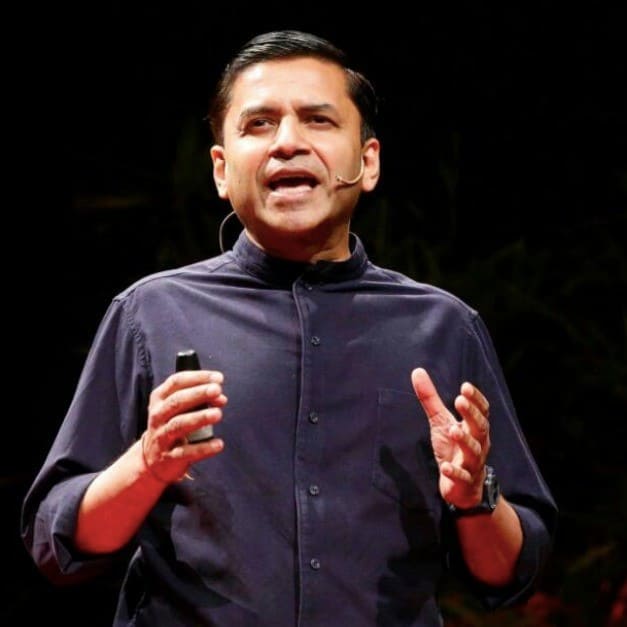 Shashank Mani is a Member of the Lok Sabha representing the Deoria constituency of Uttar Pradesh, having been elected for the first time in the 2024 general elections. He is associated with the Bharatiya Janata Party (BJP).
He holds a Bachelor of Technology (B.Tech) from The Indian Institute of Technology (IIT), Delhi, and an MBA from IMD Business School, Lausanne, Switzerland. He currently sits on the Defence Committee of the Indian Parliament as well as the Consultative Committee for Finance. He is also a member of the national council of NISTER. He is the founder of Jagriti Yatra and of the Jagriti Enterprise Centre - Purvanchal (JECP), which focuses on enterprise-development in Eastern Uttar Pradesh. He is the author of three books and was an official member of the Government of India-appointed 5 Trillion Dollar Committee constituted by the Commerce Ministry.
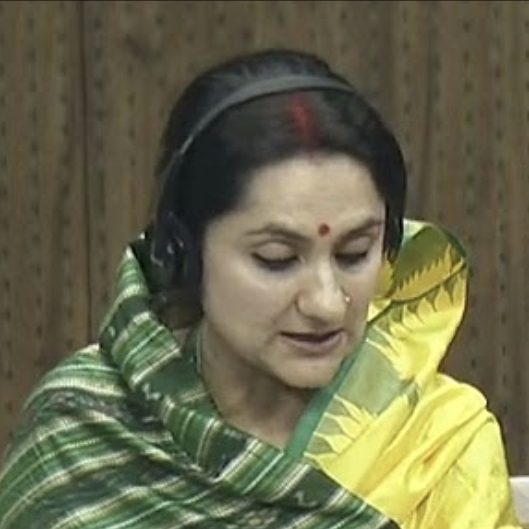
Ms. Malvika Devi is the Member of Parliament from the Kalahandi constituency in Odisha, representing the Bharatiya Janata Party (BJP).
She serves as a member of the Standing Committee on Consumer Affairs, Food and Public Distribution. Ms. Devi holds a B.A. (Hons.) in Psychology from the Jesus and Mary College, University of Delhi, and a Postgraduate Diploma in Business Management from the Fortune Institute of International Business, New Delhi. Her focus in Parliament includes regional development, education, and environmental conservation in western Odisha.
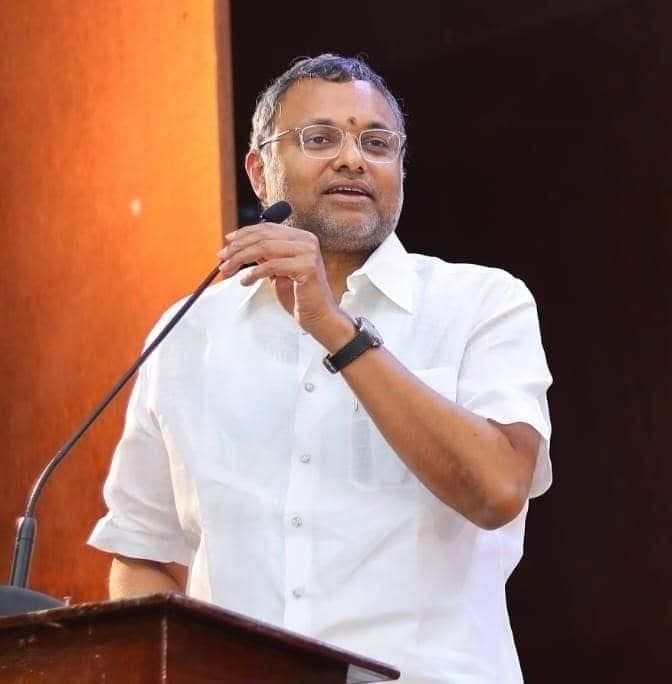
Karti P. Chidambaram is a Member of the Lok Sabha representing the Sivaganga constituency of Tamil Nadu, currently serving his second consecutive term, with his first term beginning in May 2019 and his second in June 2024. He is associated with the Indian National Congress (INC).
He holds a Bachelor of Business Administration (BBA) from the McCombs School of Business, University of Texas at Austin (1993) and a Bachelor of Laws (LLB) from Wolfson College, University of Cambridge (1995). He is a member of the All India Congress Committee (AICC) and has served on parliamentary committees including the Standing Committee on Finance. In Parliament, his work has focused on infrastructure, railway development, and constituent outreach.
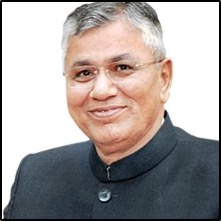
P.P. Chaudhury is a Member of Lok Sabha representing Pali in Rajasthan since 2014, with repeated electoral victories as a candidate of the Bharatiya Janata Party (BJP).
He holds undergraduate degrees in Science (B.Sc.) and Law (LL.B.) from Jai Narain Vyas University, Jodhpur. Before entering politics, he had a distinguished career as a senior advocate, arguing over 11,000 cases in the Rajasthan High Court and the Supreme Court of India, especially those related to constitutional law, land acquisition, and farmers’ grievances. He was inducted as Union Minister of State for Law and Justice and for Corporate Affairs in Prime Minister Modi’s first cabinet, and currently chairs the Joint Parliamentary Committee constituted to examine the “One Nation, One Election” Bill in addition to serving on others including the Committee on Finance and the Business Advisory Committee.
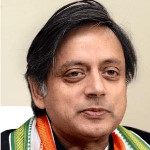 An author, politician, and former international civil servant, Dr. Shashi Tharoor straddles several worlds of experience. Currently a Lok Sabha MP representing the Thiruvananthapuram constituency, he has previously served as Minister of State for Human Resource Development and Minister of State for External Affairs in the Government of India. During his nearly three-decade long prior career at the United Nations, he served as a peacekeeper, refugee worker, and administrator at the highest levels, serving as Under-Secretary General during Kofi Annan's leadership of the organisation. Dr. Tharoor is also an award-winning author of works of both fiction as well as non-fiction.
Born in London in 1956, Dr. Tharoor was educated in India and the United States, completing a PhD in 1978 at the Fletcher School of Law and Diplomacy. While there, he received the Robert B. Stewart Prize for Best Student and also helped found and served as the first Editor of the Fletcher Forum of International Affairs, a journal now in its 39th year. Dr. Tharoor is a recipient of several awards that include a Commonwealth Writers Prize and the Pravasi Bharatiya Samman, India's highest honour for overseas nationals.
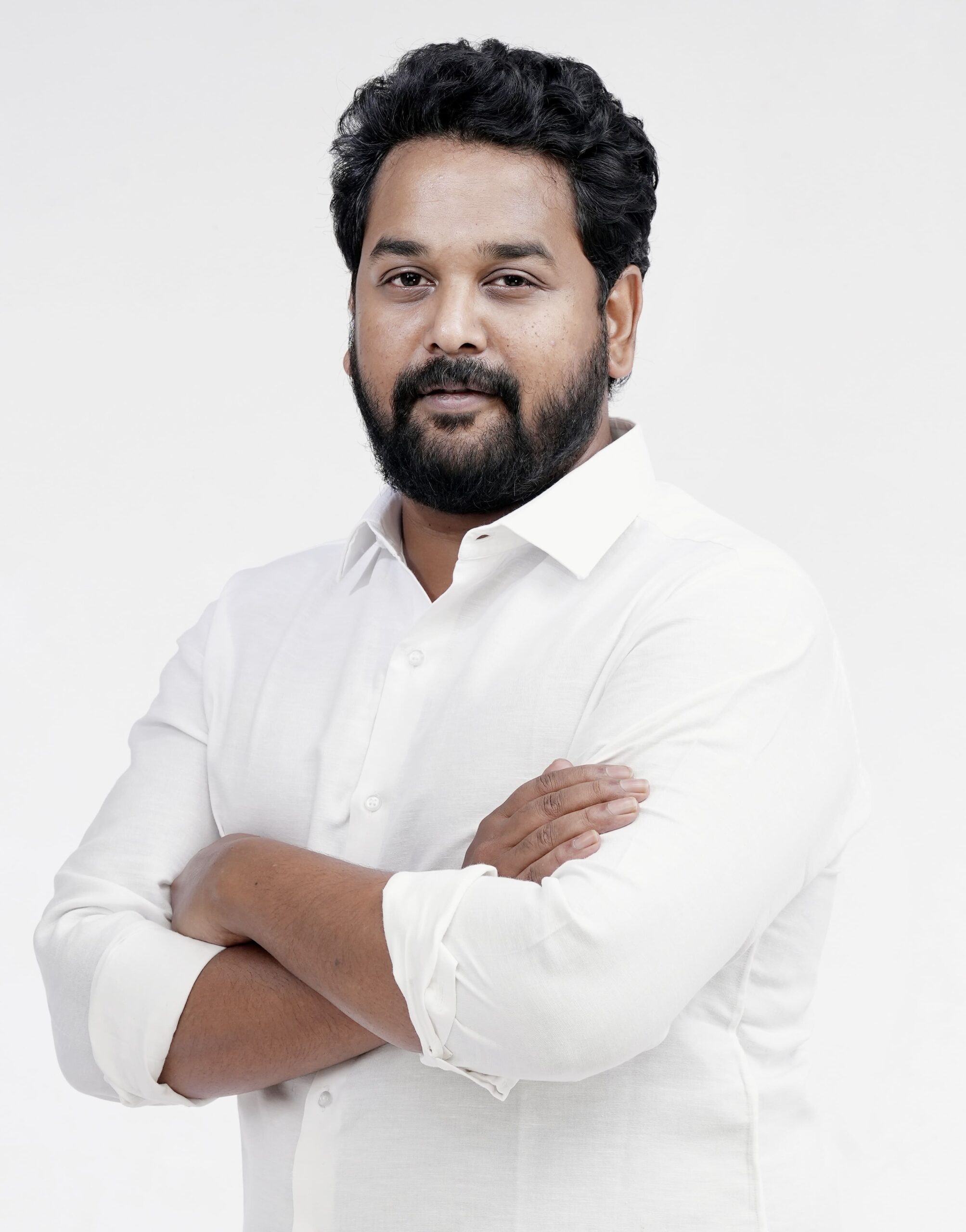
G.M. Harish Balayogi is a Member of the Lok Sabha representing the Amalapuram constituency of Andhra Pradesh, currently serving his first term beginning in June 2024. He is associated with the Telugu Desam Party (TDP) and serves as the TDP Parliamentary Party Whip in the Lok Sabha.
He holds a Bachelor of Business Management (BBM) from GITAM University, Visakhapatnam. He is a member of the Standing Committee on Labour, Textiles and Skill Development and the Joint Committee on the Constitution (One Hundred and Twenty-Ninth Amendment) Bill, 2024 - which is the government’s proposal to enable “One Nation, One Election”.
Live Projects
During the course of the program, teams of 4-6 fellows each are assigned to work on policy issues for the participating policymakers. You’ll find below a list of the specific issues that the teams worked on during this edition of the program.
- Drawing on publicly available data, estimate the scale and profile of youth entrepreneurship in India across enterprise type, sector, geography (rural-urban), and demographic group. What does this data reveal about the distribution of youth-led entrepreneurship, particularly in Tier 2 and Tier 3 districts, and how has it evolved?
- What factors limit the reach and effectiveness of entrepreneurship support for young people in India, and how do these constraints intersect with inequalities of gender, geography, caste, and educational background?
- Study existing literature and consult stakeholders to assess the design and performance of relevant Government of India schemes (such as the Rashtriya Udyamita Vikas Pariyojana) and comparable initiatives in Uttar Pradesh. What does this analysis reveal about the state of incubation support in smaller towns and rural areas, and where do persistent gaps remain, particularly in last-mile delivery?
- Drawing on examples from other countries and best practices from within India, outline actionable policy recommendations to anchor India’s entrepreneurship ecosystem, especially at a district-level.
- Odisha is home to distinctive handloom traditions in the country. Develop a comprehensive profile of the handloom and textile ecosystem in Odisha, mapping major weaving traditions, their geographical spread, the size of the weaver workforce, the institutional infrastructure (cooperatives, self-help groups, government agencies), and the supply chain from raw material procurement to the end consumer. Map the economic contribution of the sector to the state and its role in sustaining rural livelihoods.
- Identify and analyse the key challenges confronting the sector and explore why there is a growing generational exodus from weaving.
- The central and state governments have launched several initiatives. Critically examine these policies and schemes – their design, funding, implementation quality, and on-ground impact. Are existing instruments adequate, and if not, where do the critical gaps lie?
- Study how other Indian states (e.g., West Bengal, Tamil Nadu, Telangana) or countries with significant artisanal textile traditions (e.g., Indonesia, Thailand) have addressed similar challenges. What institutional models, market strategies, technology interventions, design collaborations, or e-commerce innovations have worked, and under what conditions?
- Based on the above analysis, propose specific policy recommendations to strengthen the handloom sector. Additionally, draft an opinion piece (~1,000 words) to bring focus to the issue.
- Odisha is fundamentally an agrarian state. Develop a profile of Odisha’s agricultural economy, highlighting the current cropping pattern, the state of farmer incomes, and the extent of crop diversification across districts and agro-climatic zones. Estimate the income differential between dominant crop farming and diversified systems that include horticulture.
- Identify and analyse the key barriers to crop diversification and horticulture adoption, including supply-side constraints, market-side constraints, institutional constraints, and behavioural factors.
- Several central and state initiatives exist for crop diversification. Critically examine this policy landscape: assess design, coverage, adequacy, and effectiveness. Are incentives aligned correctly to encourage smallholders to take on the higher risk and upfront costs of horticulture?
- Study successful models of horticulture-led agricultural transformation from other Indian states (e.g., Maharashtra’s grape and pomegranate clusters, Himachal Pradesh’s apple economy, Andhra Pradesh’s oil palm expansion, Meghalaya’s spice cultivation) or from countries with comparable agro-climatic and socio-economic conditions (e.g., Vietnam, Kenya, Thailand). What institutional arrangements, supply chain innovations, public-private partnerships, or farmer-producer organisations (FPOs) enabled the transition? What are the transferable lessons for Odisha?
- Based on the above, recommend specific and actionable policy measures to unlock the potential of crop diversification for improving agricultural incomes.
- Map the scale and nature of India’s skilling gap and assess how the skill levels map against the current and projected labour market demand, including shifts driven by the adoption of AI and automation. How do skilling outcomes vary across sectors, regions, gender, education levels, and the formal-informal divide?
- What are the key factors that limit the effectiveness of existing skilling efforts? Examine how these constraints shape worker outcomes and employer initiatives, and the overall skilling ecosystem.
- How has India’s skilling infrastructure evolved, from the ITI model through to the NSDC framework, and the Skill India mission, and what do the design and performance of the major interventions reveal about the persistent gaps? Critically examine the policy and regulatory landscape and the institutional arrangements across central and state governments.
- Drawing on approaches from countries and Indian states that have achieved stronger skilling outcomes, particularly focusing on those with comparable levels of informality and socio-economic realities, identify transferable lessons and propose specific policy recommendations to improve the effectiveness of skilling systems in India, while building resilience to AI-driven labour market transitions.
- Map the current scale of medical and e-waste generation in India, across volume, geography, and sector. How have trends in healthcare expansion and electronics consumption shaped this, and what does available data reveal about the projected growth?
- What factors, across regulatory design, enforcement capacity, and the role of the informal sector, limit effective governance of medical and e-waste in India? Examine how these constraints shape public health outcomes, environmental risks, and the development of the formal waste management sector.
- How has India’s regulatory framework for medical and e-waste evolved, and how adequate is the current institutional architecture – across central ministries, regulatory bodies, and state-level agencies – in addressing compliance, extended producer responsibility, and inter-departmental coordination? Identify critical gaps.
- Drawing on domestic and international examples of effective waste governance, propose actionable policy recommendations to strengthen India’s management of medical and e-waste.
- Map the scale and current status of One District, One Product (ODOP) implementation in Rajasthan. How has this evolved from earlier cluster development and MSME schemes, and what does the data reveal about its reach across geographies, product categories, and artisan communities?
- What factors explain the gaps between the scheme’s intent and its on-ground outcomes? How have inequalities of gender, caste, and geography shaped differential access to ODOP’s benefits?
- How does Rajasthan’s ODOP framework compare with implementation in other Indian states, and what does this reveal about its design and institutional gaps, particularly around digital infrastructure, administrative efficiency, Geographical Indication (GI) tagging, Intellectual Property Rights (IPR) support, and the potential to leverage craft and experiential tourism linked to Rajasthan’s heritage?
- Drawing on national and international examples of product-identity and craft promotion schemes, propose policy recommendations to improve district-specific scalability, long-term artisan welfare, and the preservation of traditional art forms.
Over the past several decades, India has witnessed theft and illicit export of antiquities, ranging from temple idols and sculptures to manuscripts and architectural fragments. Many of these objects have surfaced in private collections, auction houses, and museums abroad, often without clear provenance. While there have been recent efforts to repatriate these artefacts, the scale of loss, gaps in documentation, and challenges in tracing origins continue to limit India’s ability to fully recover and reconstruct its material history. In this context:
- Estimate the scale of antiquity loss in India, by volume, type, period, and geographic origin. Examine how the removal of artefacts from their archaeological and geographical contexts has created gaps in historical knowledge and artistic reconstruction, with particular focus on Rajasthan’s medieval heritage.
- Examine factors that have enabled continued antiquity trafficking in India, and the legal and diplomatic challenges that hinder effective tracking, identification, and repatriation of stolen heritage.
- Evaluate existing legal frameworks and institutional mechanisms for antiquity protection, illicit trade prevention, and heritage documentation. How effective have international conventions and bilateral agreements been in supporting repatriation efforts? Where do persistent gaps lie?
- Drawing on how other countries with significant heritage loss have built legal, diplomatic, and technological infrastructure to prevent trafficking and reconstruct heritage records, outline actionable recommendations to address India’s gaps in antiquity protection.
India’s judiciary faces a massive backlog. Against this crisis of judicial capacity, the Central and State governments are collectively India’s single largest litigant. In this context:
- Develop a comprehensive picture of the scale, nature, and composition of State-led litigation before the Supreme Court. Using available data, estimate the volume of government-filed Special Leave Petitions (SLPs), identify the categories of cases where government appeals are most frequent, and assess their success rate. What proportion are dismissed at the threshold? What is the estimated cost in judicial time, legal fees, and delay imposed on counter-parties?
- SLPs under Article 136 of the Constitution were originally intended for extraordinary circumstances involving substantial questions of law. In practice, government departments routinely file SLPs in individual service matters. Examine the institutional and bureaucratic drivers behind this pattern. Investigate the role of perverse incentives (fear of audit objections for settling, absence of consequences for filing weak appeals) and institutional design flaws (non-functional screening committees, weak legal advisory capacity within departments). Consult with government law officers, empanelled counsel, judges, and legal academics.
- The National Litigation Policy (NLP), framed in 2010, declared that the government must “cease to be a compulsive litigant” and laid down clear principles. Critically assess this policy framework – its design, enforceability, institutional backing, and the accountability mechanisms underpinning it.
- Study how other countries with comparable judicial systems manage government litigation. Are there examples from other federal democracies where institutional reforms have successfully reduced the volume of State-led appeals? What are the transferable lessons for India?
- Based on the above, propose a package of institutional and procedural reforms to address the problem.
- What is the estimated scale of wrongful imprisonment in India, including undertrial detention, wrongful conviction, and custodial excess? What does the available data reveal about its demographic and geographic distribution, along with the reasons for imprisonment?
- What structural and institutional factors contribute to wrongful imprisonment, and how do socio-economic and identity-based factors shape who disproportionately bears its burden? What are the broader implications for criminal justice legitimacy and public trust in state institutions?
- How has the legal and institutional framework for compensation evolved in India, and how coherent and accessible is it? What are the current gaps in terms of eligibility, quantum, and burden of proof?
- How have other jurisdictions, particularly those with comparable legal traditions or levels of institutional development, addressed this issue? Drawing on these comparisons, propose policy recommendations to establish a coherent framework in India.
India's Constitution provides a framework of affirmative action and welfare commitments for the Scheduled Castes, including reservations, anti-discrimination protections, and directive principles to promote their educational and economic advancement. These have been supplemented by dedicated legislation and a range of Central and State welfare schemes. In this context:
- Develop an overview of the constitutional, legislative, and programmatic commitments made to SCs and the institutional architecture responsible for delivering on them.
- A key fiscal mechanism is the Scheduled Caste Sub-Plan (now the Development Action Plan for Scheduled Castes), under which governments are expected to earmark funds for SC welfare in proportion to the SC share of the population. Examine how this mechanism has fared looking at allocations, the nature of schemes funded, and the monitoring and accountability systems in place. Are there significant interstate variations, and what explains them?
- Assess the current state of SC populations across key dimensions such as educational attainment, employment, asset ownership, health, and the prevalence of caste-based discrimination. How do outcomes compare across sub-groups, geographies, and between rural and urban settings?
- Study approaches to affirmative action and the welfare of historically marginalised communities in other countries. What frameworks have these countries used to assess whether commitments translate into outcomes, and what institutional mechanisms exist for accountability and course-correction?
- Based on the above, provide specific policy recommendations for improving the design, implementation, and accountability of SC welfare commitments in India.
- India's legal framework on betting and gambling is fragmented. The Public Gambling Act of 1867 remains the foundational central law, while regulation is a State subject with significant variation across jurisdictions. Map the current legal and regulatory landscape governing betting in India, covering central legislation, state-level variations, key judicial pronouncements, and recent legislative or executive actions.
- Several states have enacted or attempted blanket bans on online betting and gambling platforms. Examine the stated objectives behind these restrictions and assess their outcomes. To what extent have these bans achieved what they set out to do? What consequences have followed for users, enforcement agencies, adjacent industries, and state revenues?
- Concerns around betting typically relate to addiction, financial harm to vulnerable populations, match-fixing, and money laundering. What does available evidence suggest about the nature and scale of these concerns in India? Are there meaningful distinctions between different forms of betting in terms of their risk profiles?
- Study the regulatory approaches adopted by other countries such as the United Kingdom, Australia, parts of the United States, or EU member states. What models exist, what outcomes have they produced, and what challenges have they encountered?
- Based on the above, lay out the range of policy options available to India and assess the trade-offs associated with each. Provide specific recommendations and draft an opinion piece (~1,000 words) to bring focus to the issue.
Class profile
Educational background